
In today’s interconnected world, pupil communities play a crucial duty fit academic and personal experiences.

These areas are not just collections of individuals however are dynamic environments that cultivate development, learning, and collaboration amongst pupils. They differ extensively in kind and function, from campus-based groups to worldwide on-line discussion forums, each offering one-of-a-kind chances for interaction and advancement.
Whether you are tipping onto a college university for the first time or engaging in virtual knowing environments, understanding the framework and advantages of trainee communities can significantly boost your academic journey. This write-up delves into the essence of pupil neighborhoods, checking out how they work, the advantages they supply, and the ways in which they can be leveraged for personal and academic success.
Recognizing Student Areas
Pupil neighborhoods are foundational to the scholastic experience, working as both social and academic support group. At their core, these areas are groups created normally by pupils who share common passions, objectives, or disciplines. They can be casual, such as study hall, or official, like student unions and clubs.
These neighborhoods are defined by a common identification and the cumulative search of understanding, skills, and experiences. They serve as systems for students to link, work together, and contribute to each various other’s development, expanding beyond academic boundaries to influence personal growth and neighborhood engagement.

Essentially, pupil areas are microcosms of bigger social frameworks, where management abilities are honed, ideas are traded, and lifelong relationships are created. The interactions within these areas reflect a varied mix of cultural, intellectual, and social characteristics.
- Networking Opportunities: Pupil communities give a network of peers and coaches who can use support and advice.
- Skill Advancement: Taking part in neighborhood tasks helps pupils develop necessary skills such as communication, management, and synergy.
- Resource Gain access to: These communities commonly supply access to scholastic sources, including research products and experienced guidance.
- Social Involvement: They use a system for social communication, easing the shift into brand-new scholastic settings and assisting to deal with isolation.
With these different functions, trainee neighborhoods become important to the all natural advancement of trainees, laying a foundation for future specialist and individual success.
The Benefits of Participating In Student Communities
The benefits of joining trainee neighborhoods are diverse, impacting both academic and individual spheres.
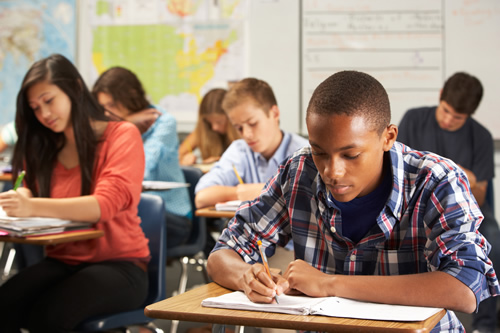
On a scholastic level, these communities urge collective learning, enabling pupils to take advantage of diverse point of views and knowledge. Sharing expertise and resources within a neighborhood can result in more efficient learning results and improved scholastic efficiency.
In addition, student areas offer a system for individual growth and self-discovery. By engaging with peers from various backgrounds and self-controls, pupils obtain a broader worldview, improving their social capability and empathy. This exposure to diverse viewpoints is indispensable in developing crucial thinking and problem-solving skills.
Additionally, energetic involvement in neighborhood tasks can enhance trainees’ confidence and self-worth. Tackling management functions or joining discussions and occasions promotes a sense of accomplishment and belonging, which is essential for general well-being and motivation.
Sorts Of Student Communities
Pupil areas been available in various forms, each accommodating various passions and objectives. These can be generally categorized into scholastic, social, recreational, and professional areas, to name a few. Each kind provides one-of-a-kind systems and chances for student engagement.
- Academic Communities: These are commonly focused around details disciplines or academic passions. Examples include study groups, honors cultures, and departmental clubs.
- Cultural Communities: These teams focus education platform on advertising social awareness and variety, typically organizing events and tasks to celebrate different customs.
- Leisure Areas: These include sports teams, recreational clubs, and hobby-based groups that offer a break from academic roughness and promote physical and mental health and wellness.
- Professional Communities: These are focused on career growth, offering networking opportunities, workshops, and mentorship programs to prepare pupils for the professional world.
By identifying and involving with the best communities, pupils can customize their college experiences to align with their rate of interests and career desires, paving the way for a fulfilling academic journey.
Developing a Growing Pupil Area
Producing and keeping a growing trainee area needs effort and collaboration from both students and schools. It begins with promoting a comprehensive atmosphere where all trainees really feel invited and valued no matter their histories.
Organizations can support this by supplying resources and facilities that encourage communication and engagement. This consists of producing physical spaces like trainee unions and online platforms that promote communication and partnership. Additionally, organizing occasions, workshops, and workshops can additionally boost engagement, supplying trainees with possibilities to connect and gain from each various other.
Leadership and Trainee Participation
Reliable management is important in supporting an effective trainee neighborhood. Leadership functions within these communities use students a possibility to create and demonstrate their business and interpersonal abilities. Pupils who presume these roles add substantially to setting the tone and instructions of their areas, affecting their peers positively.
Motivating leadership and energetic involvement amongst students not just enhances the neighborhood however additionally encourages individuals, preparing them for future challenges. By promoting a society of cooperation and support, pupil neighborhoods can flourish, leaving a long lasting influence on their participants and the academic environment all at once.